
Introduction
Dolly Parton's Quiet Admission at Dollywood Touched Hearts Across America: Strength, Grief, and the Grace of Beginning Again
There are moments when a public figure says something so simple, so unguarded, that it cuts through the applause and reaches people on a deeply human level. That is what happened when Dolly Parton appeared on opening day at Dollywood and spoke candidly about the physical and emotional toll of the past year. For the thousands gathered in Pigeon Forge, it was a celebration. For many watching from afar, it became something more intimate: a reminder that even the brightest spirits can grow weary, and even the strongest hearts sometimes need time to heal.
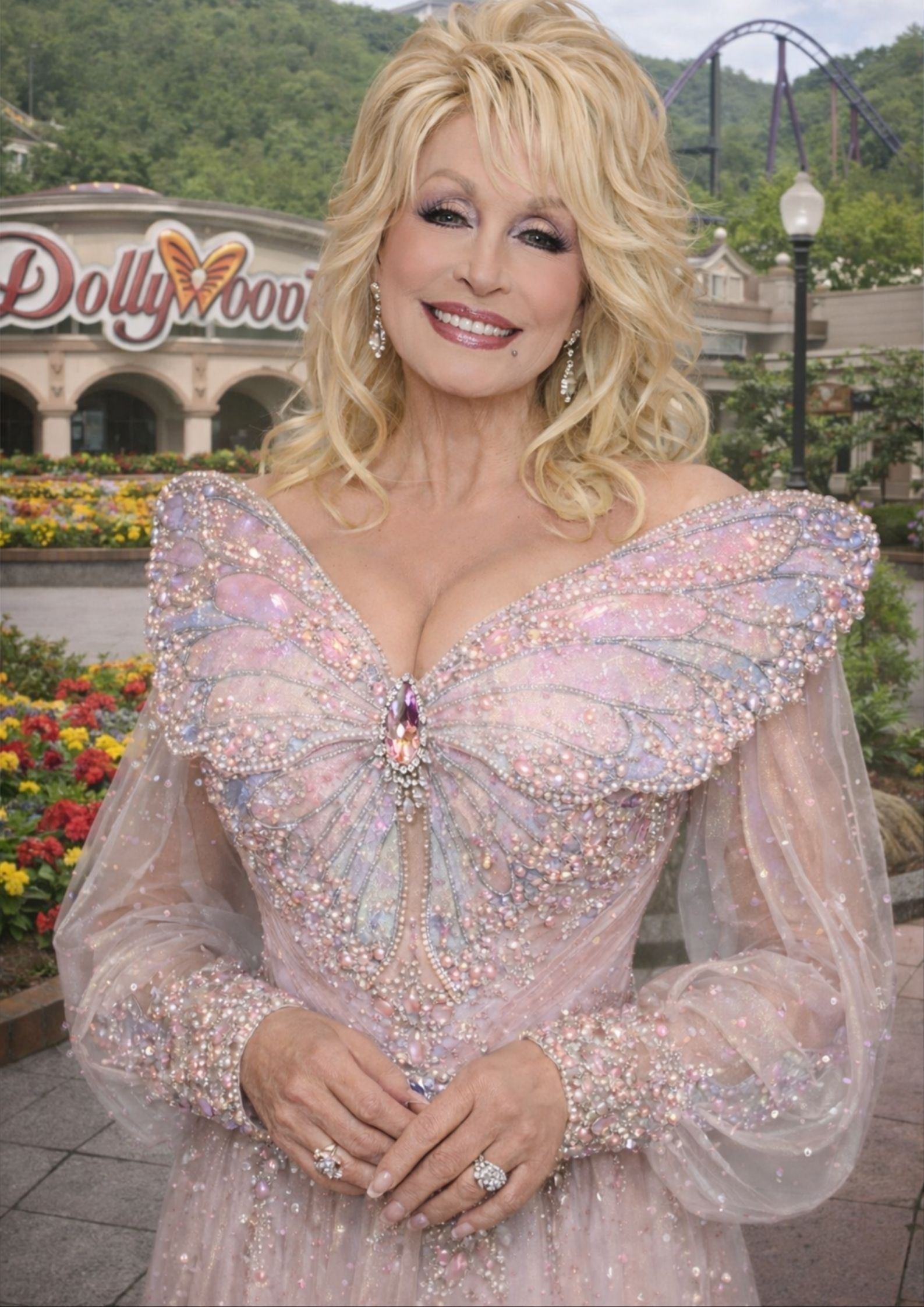
Dollywood's opening day carried its usual excitement. The crowds arrived early, the gates opened with ceremony, and the atmosphere was filled with the kind of joy that has long surrounded the park Dolly helped build into one of Tennessee's most beloved destinations. There was talk of new attractions, improvements across the property, and a new season full of promise. Yet beneath all of that anticipation was one question many people quietly carried with them: how is Dolly really doing?
She answered it herself.
With a mixture of honesty, warmth, and unmistakable resilience, Dolly explained that she had been dealing with a few health issues and had not been touring. But more than that, she spoke openly about being worn down by grief after the loss of her husband, Carl, along with what she described as "a lot of other little things going on." It was a brief statement, but it held enormous emotional weight. She did not dramatize it. She did not invite pity. She simply told the truth: she had become spiritually, emotionally, and physically depleted, and she needed time to build herself back up.
That kind of honesty is one reason Dolly Parton continues to matter so deeply to so many people.
For decades, she has occupied a unique place in American life. She is not merely a singer, not merely a celebrity, and not merely a businesswoman. She is a cultural comfort to millions—a voice associated with kindness, humor, endurance, and generosity. People do not simply admire Dolly. They feel they know her. They trust her. They carry her music and her laughter into private parts of their lives. So when she speaks plainly about grief and exhaustion, listeners do not hear a headline. They hear something personal.
:max_bytes(150000):strip_icc()/Dolly-Parton-Dollywood-031326-2642f5bb908f476bb3a127fe4b58130c.jpg)
Older readers, especially, understand the kind of tiredness Dolly described. There comes a season in life when sorrow does not always arrive in one dramatic wave. Sometimes it comes as erosion. A loss here, a strain there, an accumulation of burdens that leaves a person looking outwardly composed while inwardly feeling worn thin. One continues showing up. One smiles. One handles responsibilities. But underneath it all, the spirit begins to sag. Dolly's words spoke directly to that quieter kind of suffering.
And perhaps that is why her comments struck such a chord.
She did not speak as a legend towering above ordinary life. She spoke as someone who had been grieving, someone who had felt herself worn down, and someone who understood that healing requires more than simply carrying on. In a culture that often praises constant productivity, there was something deeply wise in her admission that she needed to rebuild herself—not only physically, but spiritually and emotionally as well.
That distinction matters.
Because Dolly was not merely describing recovery from fatigue. She was describing restoration of the whole self.
It is also important that she chose to share this at Dollywood, a place so closely connected to home, memory, and legacy. Of all the stages from which Dolly Parton could speak, there is something especially fitting about Pigeon Forge. Dollywood is more than an amusement park. It is a reflection of the values she has long represented: family, warmth, Appalachian pride, generosity, and the belief that joy can be built and shared. To stand there, in the Smoky Mountains that shaped her, and speak so honestly about needing to rebuild herself felt profoundly grounded. It was not a performance of vulnerability. It was a moment of rooted truth.
And yet, even in that vulnerability, Dolly remained unmistakably herself.
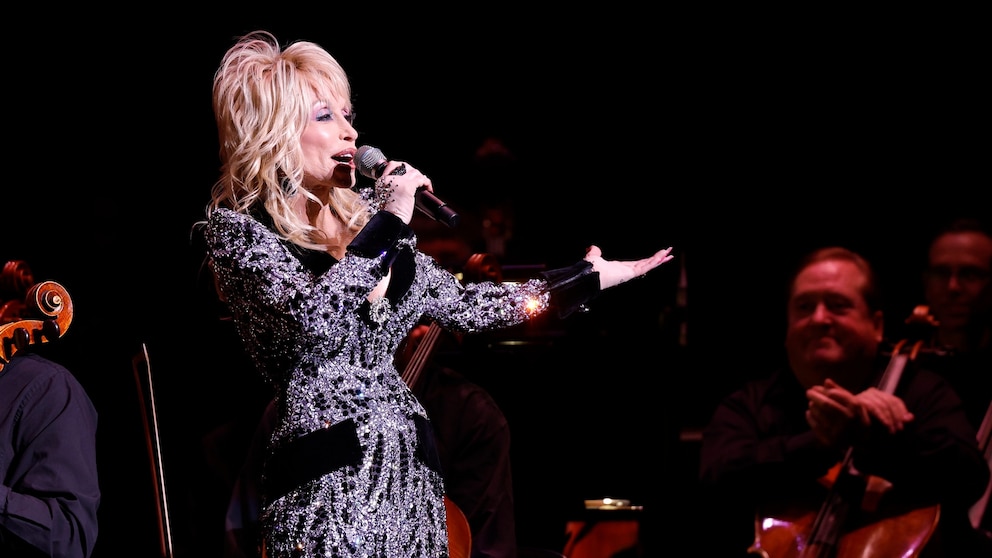
By all accounts, she was still sharp, funny, and warmly engaging. She made people laugh. She spoke with clarity. She remained the Dolly audiences love—quick, witty, and alive to the energy around her. That balance is part of what makes her so extraordinary. She can acknowledge pain without surrendering her spirit to it. She can admit frailty without losing dignity. She can speak about grief and still fill a crowd with hope.
There is a lesson in that for anyone growing older.
Strength does not always look like unbroken energy. Sometimes it looks like honest self-knowledge. Sometimes it means recognizing that something inside has been depleted and choosing, with humility, to care for it before pressing onward. Dolly's words carried that kind of wisdom. She did not frame rest as weakness. She framed it as necessary. She did not present recovery as retreat. She presented it as a deliberate act of rebuilding.
That message becomes even more moving when one considers all she has continued to carry over the years: a vast career, philanthropic work, creative projects, public expectations, and the emotional complexity of private life lived under public gaze. It would have been easy for someone in her position to offer a polished non-answer. Instead, she offered something much rarer—plainspoken truth.
Meanwhile, the day around her moved forward in celebratory fashion. Dollywood announced major investments, including a significant new attraction and improvements designed to welcome yet another season of guests. The park remains an extension of Dolly's imagination and generosity, a place where the spirit of the Smokies meets the wonder of family tradition. That it continues to grow even as she speaks honestly about her own weariness says something important about legacy: the strongest things we build often continue to bloom even when we ourselves need time to rest.
In the end, Dolly Parton's appearance on opening day was memorable not only because she showed up, but because she let people see the truth behind the smile. She reminded the public that grief can be exhausting, that healing can take time, and that even the most beloved figures sometimes need to step back and gather themselves again.
Yet she also showed something equally powerful.
She is still here. Still wise. Still funny. Still present. Still building.
And perhaps that is why the moment felt so moving. It was not just an update on Dolly's health. It was a portrait of resilience in mature form—not loud, not dramatic, but deeply convincing. A woman who has given joy to millions stood before her people and admitted that she, too, had needed restoration.
For those who have known loss, who have felt worn down, or who have had to quietly rebuild themselves after a hard season, her words were more than news.
They were recognition.
And in that recognition, Dolly Parton did what she has always done best: she made people feel less alone.